
Evolution of the Pergola: From Ancient Gardens to Modern Patios
When one thinks of a serene outdoor setting, perhaps a garden or a well-designed patio, the image of a pergola often comes to mind. These architectural beauties have been around for centuries, offering both form and function. The modern twist to this ancient structure, the louvered pergola, adds an extra layer of sophistication and practicality.
Historically, pergolas have been pillars of outdoor spaces, acting as frameworks draped in vines or adorned with lights. Louvered pergolas, with their adjustable slats, have added a dynamic feature to this design, allowing for better control over sunlight and ventilation. Their popularity in today’s architectural landscape is undeniable, but where did they come from? Let’s delve deep into the world of louvered pergolas, from their ancient origins to their modern relevance.
What is a Pergola?
A pergola is an outdoor architectural structure, typically consisting of vertical pillars or posts that support cross-beams and a sturdy open lattice. While often mistaken for other outdoor structures such as arbors or gazebos, a pergola is distinct in its design and function.
The primary purpose of a pergola is to provide shade and define an outdoor space, often making a statement in gardens, patios, or decks. The open lattice of a pergola can be left bare, or more commonly, it’s used as a framework for climbing plants and vines, which when mature, offer additional shade and a natural canopy of greenery.
Historically, pergolas have been made of wood, but modern versions can be constructed from a variety of materials including metal, vinyl, and fiberglass. Their design can range from simple, straight-lined structures to more ornate, decorative ones, depending on the aesthetic and purpose they serve.
Ancient Origins of Pergolas
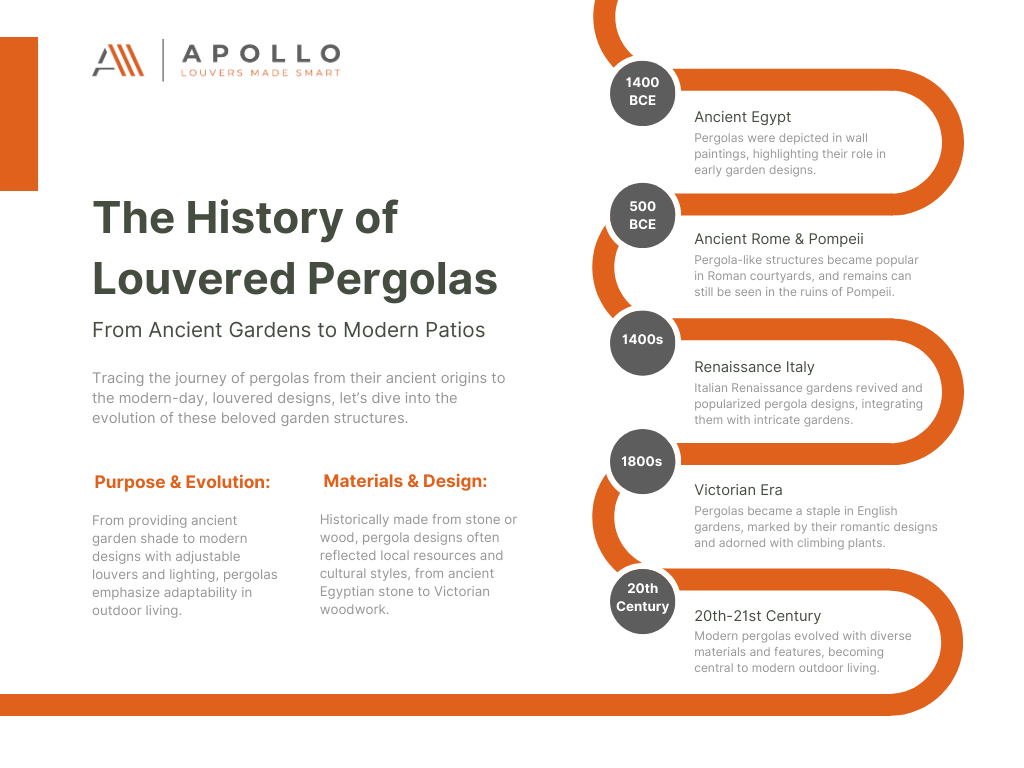
 The term “pergola” originates from the Latin word “pergula,” which means a projecting eave. Prototypes of pergolas can be seen as early as 1400 BCE in ancient Egyptian wall-paintings. During these times, they provided shade from the punishing sun and, were commonly erected in gardens of the nobility. These pergolas featured columns made from stone and lintels (horizontal beams or elements that span between the column) crafted from timber or adorned with vines. They served both aesthetic and practical purposes, such as offering shade, supporting climbing plants, and structuring garden spaces. Beyond these practicalities, gardens in ancient Egypt held deep spiritual and symbolic significance. Mirroring the Egyptian belief in the cycle of life, death, and rebirth, gardens symbolized places of rebirth and renewal. Pergolas, as integral parts of these gardens, might have been associated with these beliefs. Tomb paintings from this era occasionally depict gardens, suggesting that the deceased would enjoy these serene spaces in the afterlife. The presence of pergolas within such gardens would have further emphasized the harmonious blend of nature and architecture, potentially representing a bridge between the earthly realm and the paradise hoped for in the next life.
In ancient Rome, pergolas gained even more prominence. The Romans, with their penchant for architecture and gardens, often incorporated vine-laden pergolas into their villa designs. Not only did these structures provide respite from the sun, but they also became status symbols among the Roman elite.
Gaining Popularity of Pergola Designs
Renaissance Revival:
The Renaissance period, particularly in Italy, witnessed a renewed interest in gardens and outdoor structures. Pergolas, in this era, were considered architectural extensions of a residence. They were strategically placed to offer scenic views or to frame a visual focal point in a garden. Often, these pergolas would be decorated with flowering plants, making them central elements in many European gardens.
 The English Garden Movement:
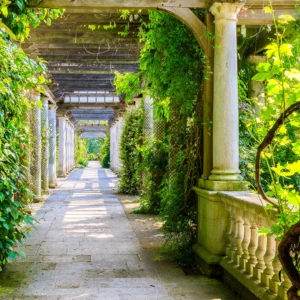
As Europe transitioned into the Victorian Era, England became enamored with pergolas. English gardens, which often romanticized nature, found pergolas to be the perfect medium. Covered in roses, wisteria, or ivy, these structures became synonymous with Victorian romantic design, a sanctuary where nature and architecture danced in harmony.
One notable example of the enduring charm of pergolas during this period is the work of landscape architect Thomas Hayton Mawson. His designs, including the Hampstead Pergola and Hill Garden in London featured here, beautifully encapsulated the romantic ideals of the time and further contributed to the timeless appeal of pergolas in garden architecture.
Modern Pergolas
With urbanization in the 20th century, the role of the pergola shifted. As backyards became smaller, pergolas began to serve more as extensions of the home rather than vast garden structures. They started becoming popular in suburban areas, especially in the United States and Australia.
Materials evolved too. Today’s pergolas are not just made from wood; they’re often constructed from vinyl, fiberglass, metal, and even PVC. These modern materials offer durability, resist rotting, and are customizable.
The Introduction of the “Louvered” Pergola
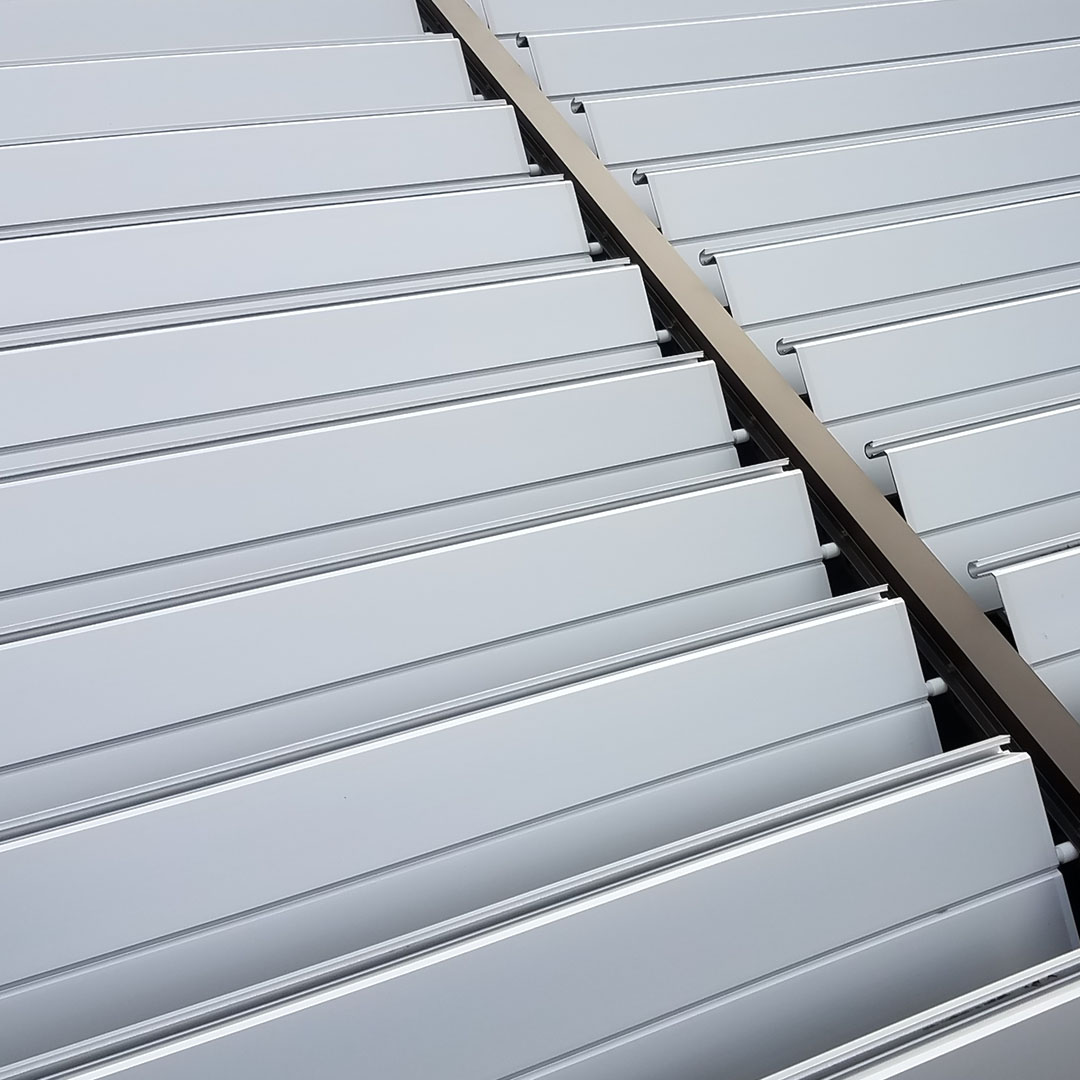
Louvers, often spelled as “louver” in American English or “louvre” in British and European English, are versatile slats designed for adjusting light and airflow. Historically, they’ve found applications in a variety of architectural elements, including shutters, blinds, and ventilation systems. The concept of integrating louvers into a pergola structure presented an opportunity to marry traditional aesthetics with functional adaptability.
The incorporation of louvers into pergolas has opened up new possibilities, allowing for enhanced control over sunlight and airflow in outdoor spaces while preserving the beauty and charm of these architectural elements.
Louvered Pergolas in Today’s Architectural Landscape
Louvered pergolas have become a staple in modern architectural designs due to their blend of aesthetics and functionality. Their prominence in today’s landscape can be attributed to various reasons:
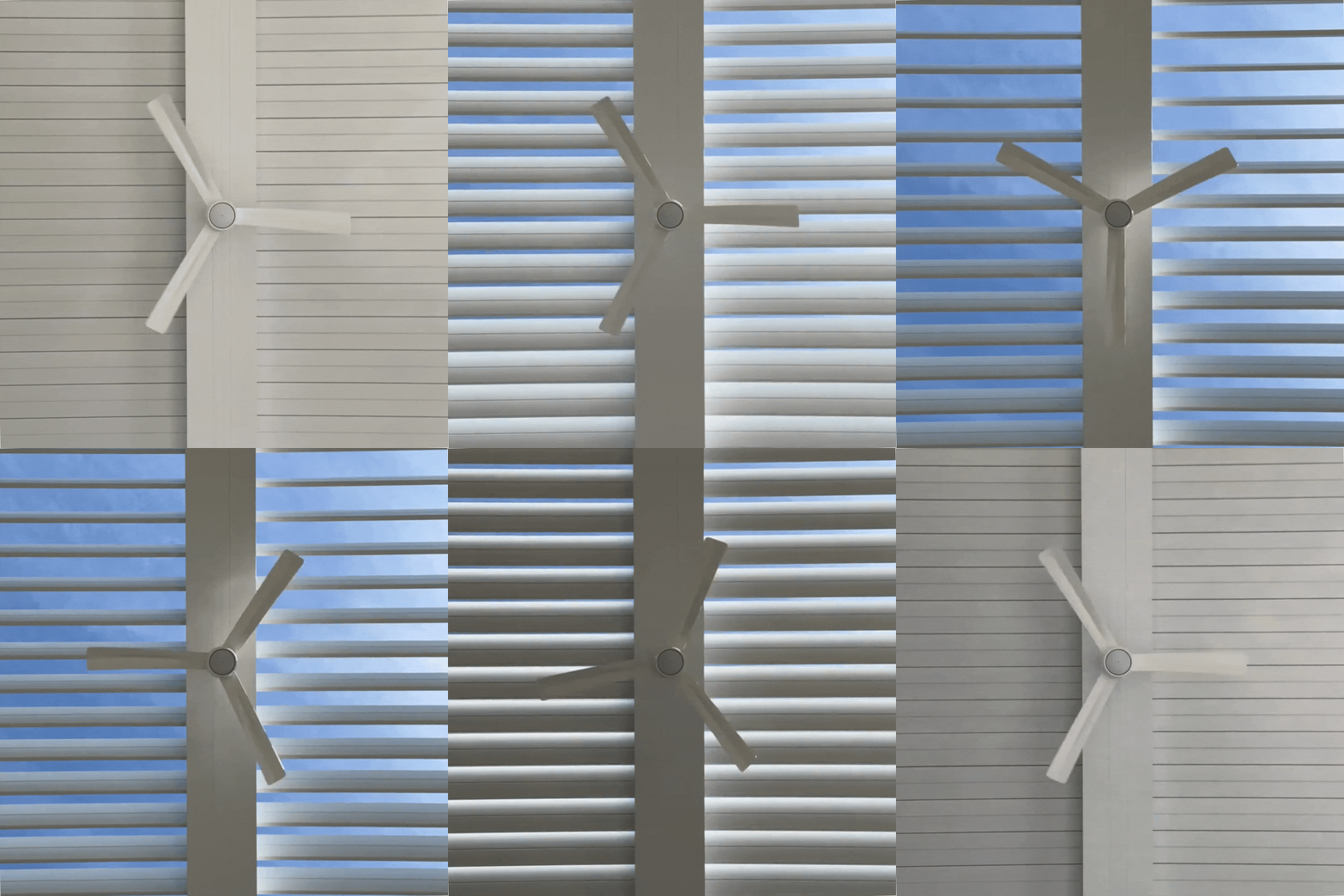
Flexibility in Sunlight Modulation: Louvered pergolas allow homeowners the ability to adjust the amount of sunlight entering an outdoor space. This ensures optimal lighting and ventilation, catering to different times of the day or seasons.
Adoption in Commercial Spaces: Restaurants, cafes, and other outdoor venues have also recognized the benefits of these structures. They provide patrons with a comfortable outdoor experience, regardless of weather conditions, enhancing the overall ambiance and customer experience.
Smart Home Integration: Modern louvered pergolas can be motorized and integrated with home automation systems. This allows for:
-
- Remote adjustments based on personal preferences.
- Automated settings that change based on weather conditions.
Conclusion
The evolution of pergolas has been nothing short of remarkable. From simple wooden structures in ancient gardens to technologically advanced louvered systems, they have continually adapted to the changing needs and preferences of society.
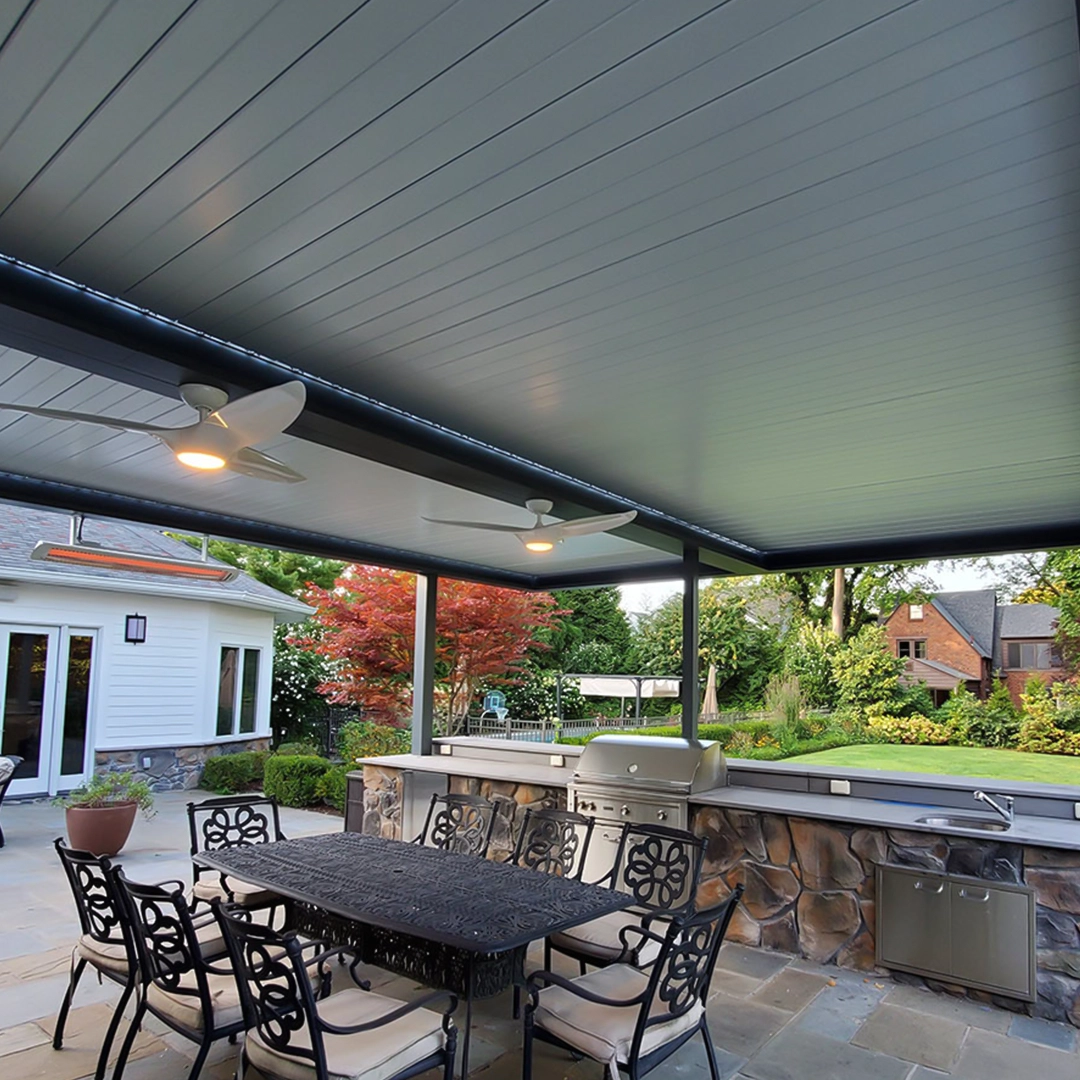
Discover Your Ideal Outdoor Space with Apollo
Crafting the perfect louvered pergola requires precision, innovation, and an eye for aesthetics. Apollo leads the way in providing top-tier designs that effortlessly blend form and function. Whether you’re envisioning a cozy residential space or an expansive commercial setup, our custom louvered pergolas are tailored to fit projects of any scale. Ready to elevate your outdoor area? Let’s connect you with an Apollo dealer near you and bring your dream pergola to life.
Contact Us
Start your pergola project today and unlock the potential of your outdoor space. With your personal touch and our expertise, your backyard will become a captivating retreat you’ll adore and relish for years to come.
OPENING HOURS
Monday – Friday
8:00am – 5:00pm PST
If you’re looking for more backyard pergola ideas, check out our social media channels.
Let’s Begin Your Pergola Journey
Are you ready to embark on your journey to transform your outdoor space? Our team at Apollo Opening Roof is here to guide you every step of the way. Contact us today to start designing your dream backyard pergola.
Visit our Gallery and explore our extensive range of louvered patio covers, each one a testament to craftsmanship, innovation, and elegance. Your backyard paradise awaits – let’s make it a reality together.
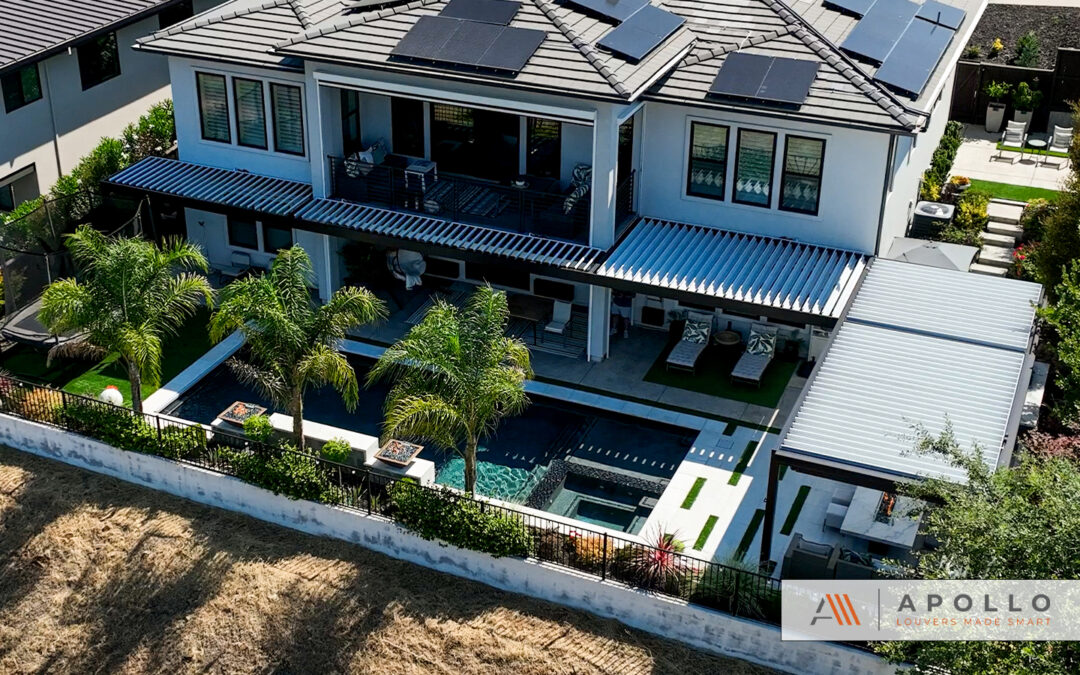
Pool Pergola Ideas: A Guide to Poolside Pergola Designs
From dramatic over-the-pool designs to relaxed poolside cabanas and spa covers, this guide breaks down the most popular swimming pool pergola ideas and what to plan for before you build.
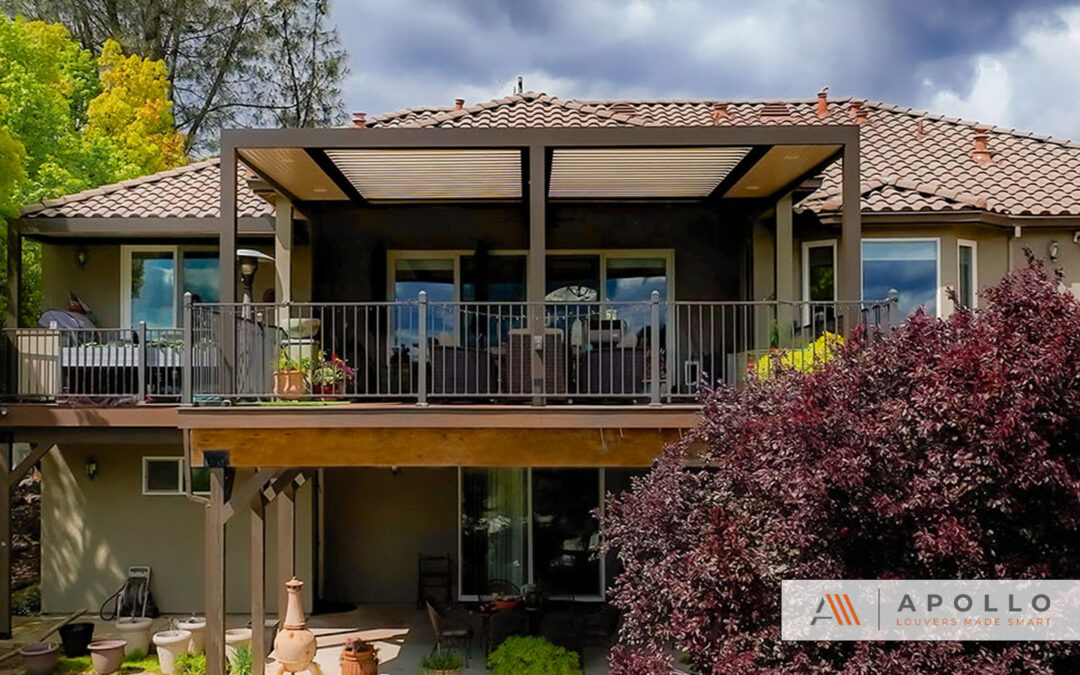
Can You Install an Aluminum Louvered Pergola on a Raised Deck?
A raised deck is one of the best spots for a louvered roof, but it takes real engineering, not a prefab kit. Here’s how load, wind, water, and power get handled for a safe, custom installation.
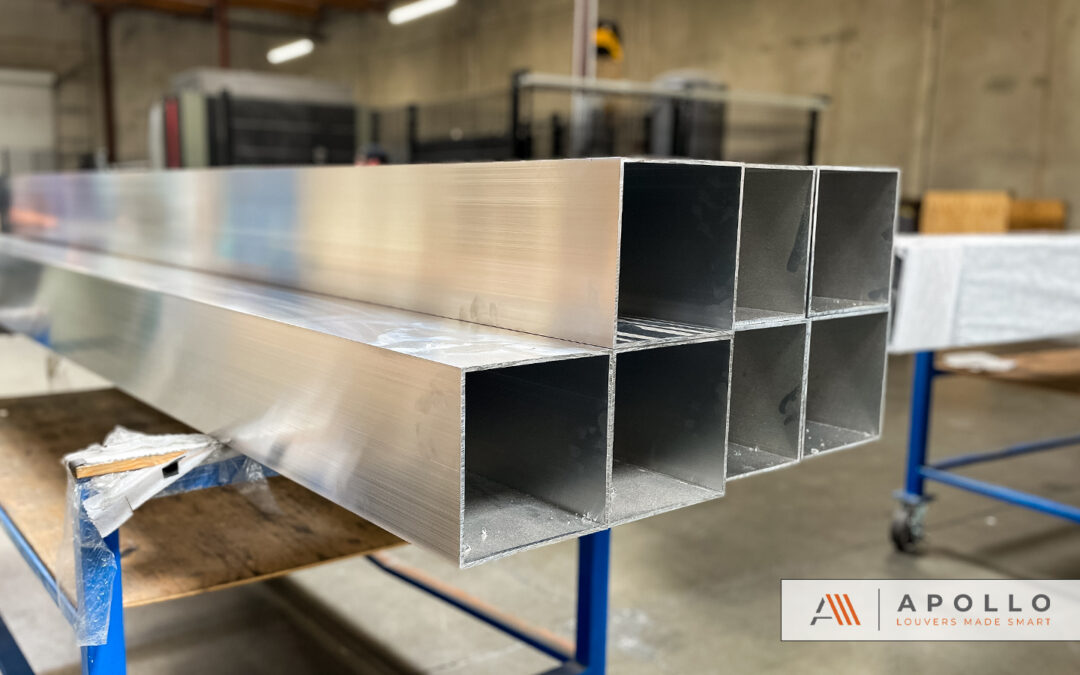
Aluminum Pergola Materials: What 6063-T6 and the Finish Mean
Not all aluminum is equal. Learn what 6063-T6 extruded aluminum means and why it makes a louvered pergola stronger, more precise, and longer-lasting.