
Why Accurate Snow & Wind Load Data Matters: A Call to Our Dealers
With the release of the updated ASCE standards, the requirements for building safe and reliable structures have become more stringent, particularly concerning snow and wind loads. However, municipalities have the autonomy to adopt or not adopt the ASCE standards. The differences can significantly impact design elements, such as span limits, the number of posts, and the need for double beams.
Our Request: We ask our Apollo dealers to provide accurate local snow and wind load data for each project. This will help us tailor our designs to meet the specific requirements of each area, ensuring compliance with safety standards while optimizing material use.
How to Find Snow & Wind Load Information
Finding accurate snow and wind load information can be straightforward:
-
- Use Specific Search Terms: Include your location and terms like “building codes for snow loads” or “wind load requirements.”
- Check Local City & County Government Websites: These often provide the most reliable information.
- Direct Contact: If online resources are insufficient, contact your local building department directly.
By utilizing these methods, you can gather the necessary data efficiently, ensuring that all designs meet local requirements and safety standards.
Utilizing ASCE Standards and Tools
ASCE standards are valuable for establishing structural guidelines but may prove to be more restrictive than local code requires. Use local data as the primary source, and defer to ASCE standards when they are adopted by the local building authority.
Real-World Example: Placerville Snow Load Discrepancy
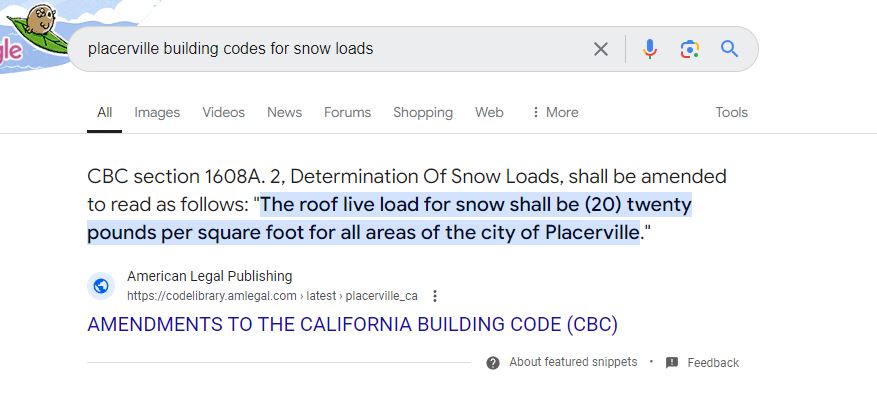
To illustrate the potential differences between local codes and ASCE standards, consider the example of Placerville, CA. A quick search for “Placerville building codes for snow loads” revealed that the county website lists the required snow load as 20 pounds per square foot. However, the ASCE Hazard Tool shows a snow load of 34 pounds per square foot for Placerville.
This variation underscores the importance of verifying local codes rather than relying solely on ASCE standards.
Key Takeaway: Most municipalities use and accept locally established snow and wind load values, reflecting the area’s actual requirements. This approach allows for more design flexibility and can result in cost savings for customers by avoiding overbuilt structures.

Pool Pergola Ideas: A Guide to Poolside Pergola Designs
From dramatic over-the-pool designs to relaxed poolside cabanas and spa covers, this guide breaks down the most popular swimming pool pergola ideas and what to plan for before you build.
Can You Install an Aluminum Louvered Pergola on a Raised Deck?
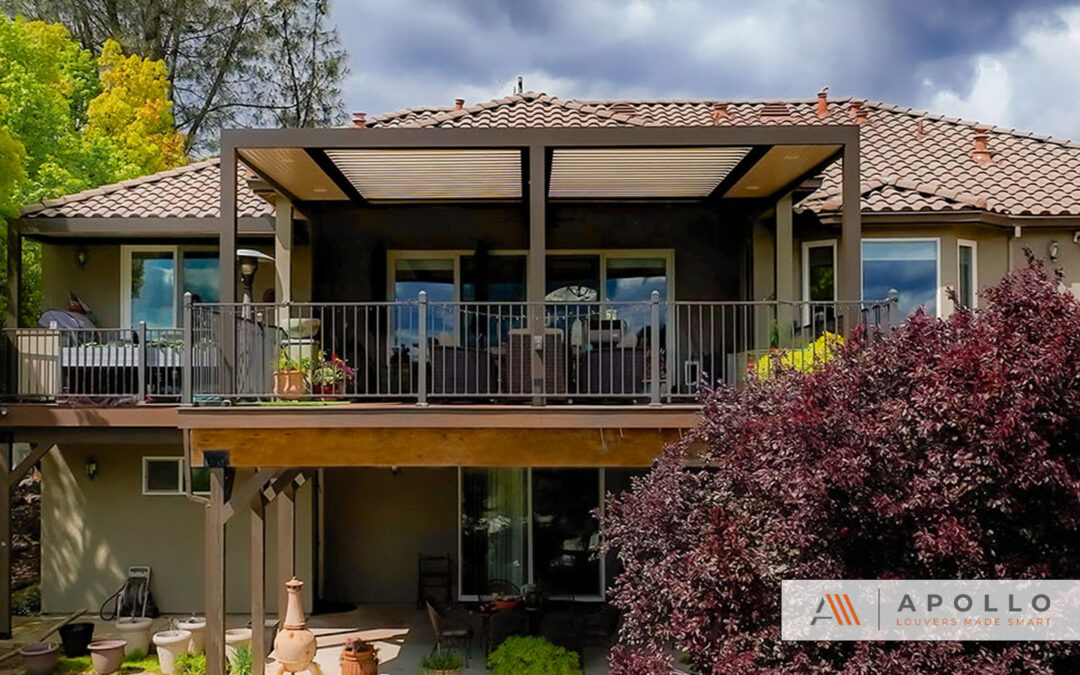
A raised deck is one of the best spots for a louvered roof, but it takes real engineering, not a prefab kit. Here’s how load, wind, water, and power get handled for a safe, custom installation.
Aluminum Pergola Materials: What 6063-T6 and the Finish Mean
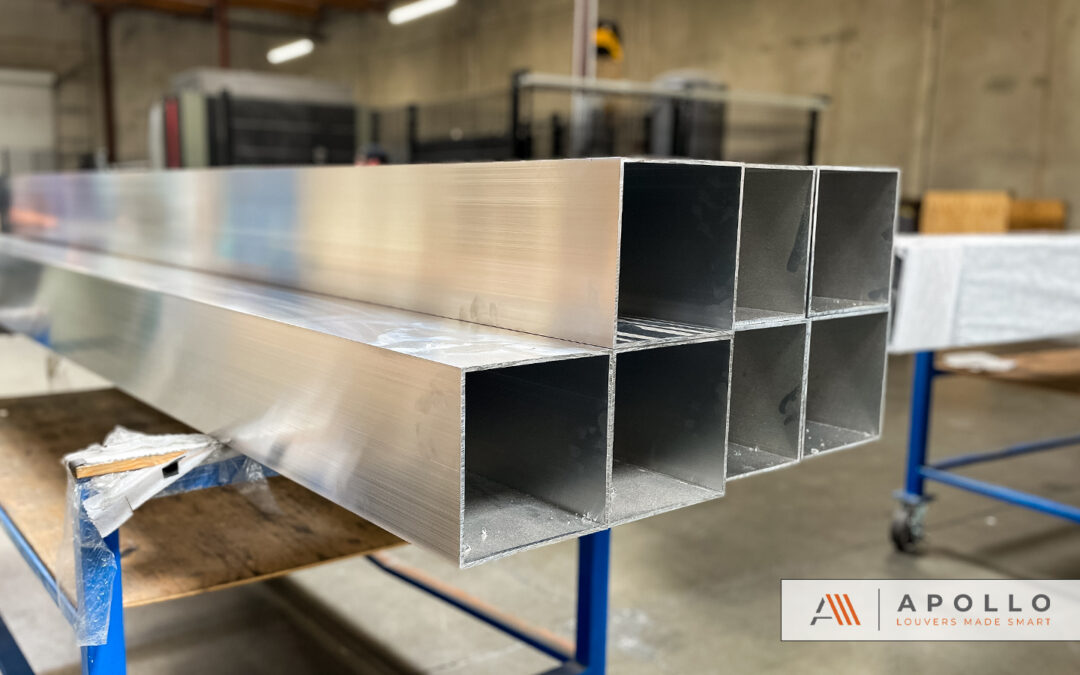
Not all aluminum is equal. Learn what 6063-T6 extruded aluminum means and why it makes a louvered pergola stronger, more precise, and longer-lasting.